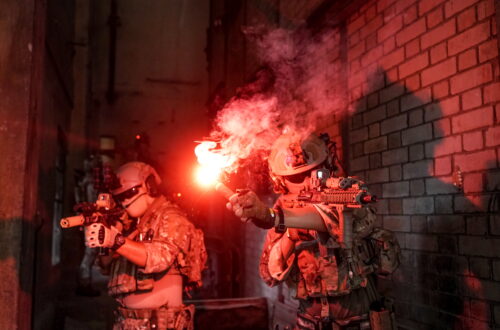
Counter-Strike 2 (CS2) has inherited not just the legacy of its predecessor, CS:GO, but also its deeply integrated, multi-million dollar virtual economy. At the center of this economy are CS2 cases. For many players, opening cases is a thrilling pastime akin to visiting a digital casino; for others, it’s a strategic investment market.
Whether one is a seasoned trader or a newcomer wondering why a digital pixel knife can cost thousands of dollars, understanding the mechanics, odds, and economics of CS2 cases is essential.
What Are CS2 Cases?
CS2 cases are virtual container items within the game that hold weapon finishes (skins), gloves, or knives. To open a case, a player must have two things:
- The Case: Obtained through random drops, purchased from the Steam Community Market, or traded with other users.
- A Key: Purchased directly from the in-game store for £2.50 GBP (or regional equivalent).
Once a key is used on a case, a roulette-style animation plays, eventually landing on a specific item that is added directly to the player’s inventory.
How to Obtain CS2 Cases
Players do not need to spend money just to get cases. There are several primary methods for acquiring them:
- Weekly Care Package Drops: Active players receive a care package upon leveling up their account once per week. This usually offers a choice between weapon drops and/or CS2 cases.
- Active Drop Pool vs. Rare Drop Pool: Cases frequently drop in price and availability based on Valve’s rotation.
- Steam Community Market: Players can buy specific cases directly from other users. Prices range from a few cents to tens of dollars for discontinued cases.
- Third-Party Trading Platforms: External marketplaces allow users to buy, sell, or trade cases using real-world currency or crypto, often with fewer restrictions than Steam.
CS2 Case Drop Odds and Rarities
Valve officially discloses the approximate statistical probabilities of opening items of varying tiers. The rarity of an item dictates its background color and its scarcity.
| Item Rarity Tier | Approximate Drop Probability | Description |
|---|---|---|
| Mil-Spec (Blue) | ~79.92% | Common weapon skins. Usually worth very little. |
| Restricted (Purple) | ~15.98% | Uncommon weapon skins. Often used in trade-ups. |
| Classified (Pink) | ~3.20% | Rare weapon skins. Generally hold decent value. |
| Covert (Red) | ~0.64% | Extremely rare weapon skins. Highly sought-after. |
| Special Item (Gold) | ~0.26% | Knives or Gloves. The jackpot tier of any case. |
Note: There is also a small chance (roughly 1 in 10, or 10% within each tier) of receiving a StatTrak variant, which tracks the number of kills made with that specific weapon.
The Economics of Case Opening: Is It Worth It?
From a purely mathematical standpoint, opening CS2 cases is a negative-expected-value proposition. Because the cost of a key is fixed at £2.50, and the vast majority of items dropped are worth mere cents, the house almost always wins in the long run.
However, the economy is driven by human psychology, rarity, and collector demand. Here is how the ecosystem functions:
1. The Trade-Up Contract
If a player has ten lower-tier skins of the same rarity from the same tier, they can trade them up for one random skin of the next higher rarity. This acts as a mechanism to purge unwanted “blue” and “purple” skins from the market while creating a gamble for high-tier items.
2. Speculation and Investment
Many players treat cases like stocks. When Valve moves a case from the Active Drop Pool to the Rare (Discontinued) Drop Pool, the supply drops significantly. As the player base continues to open these older cases, the remaining supply shrinks, driving prices upward over months and years.
Popular CS2 Cases to Watch
Over the years, dozens of cases have been released. Some have achieved legendary status due to their contents.
- The Weapon Case Series (CS:GO Weapon Case 1, 2, 3): These are vintage relics. Case #1 contains the legendary AWP | Lightning Strike and early knife finishes, making it extremely expensive.
- Prisma and Prisma 2 Cases: Known for featuring popular and colorful weapon finishes alongside desirable community-designed knife finishes like the Navaja, Stiletto, Ursus, and Talon knives.
- Revolution / Recoil Cases: Modern cases that feature contemporary weapon designs and frequently traded items, keeping transaction volumes high on the market.
Tips for Managing CS2 Cases
For those who want to participate in the case ecosystem without breaking the bank, adhering to a few best practices is recommended:
- Set a Budget: Treat case openings strictly as entertainment expenses, akin to buying lottery tickets or going to a movie. Never spend money you cannot afford to lose.
- Buy Singles Instead of Opening: If you specifically want a £20 skin, it is almost always cheaper to buy it directly from the Steam Market than to try and unbox it.
- Hold or Sell Drops: If you receive a case drop from your weekly care package, decide whether you want to gamble it or sell it immediately on the market to slowly build up a wallet balance.
Frequently Asked Questions (FAQ)
Can I get knives from cheap, active-drop cases?
Yes. Every standard weapon case contains a pool of special items (knives or gloves). The odds of unboxing a knife remain roughly 0.26%, regardless of whether the case costs 10 cents or £50.
What happens to old CS:GO cases in CS2?
All existing CS:GO cases carried over seamlessly into Counter-Strike 2. Their drop rates, contents, and market values remain intact, though the visual fidelity of the skins inside has been updated to match the Source 2 engine.
Are third-party case-opening sites safe?
Generally, no. Many third-party gambling and case-opening websites operate in a legal gray area, and some have been exposed as scams or rigged operations. Valve has heavily cracked down on external gambling sites, so caution is strongly advised.
What is the “Rare Drop Pool”?
When Valve introduces a new case, older cases are usually relegated to the “Rare Drop Pool.” This means they drop extremely rarely—perhaps to one player out of thousands after a match—significantly slowing down the rate of new supply entering the economy.
CS2 cases are a fascinating intersection of gaming, digital economics, and probability. Whether you view them as an exciting way to potentially score a rare knife or as a collector’s market driven by supply and demand, they remain a core pillar of the Counter-Strike experience. Approach them with caution, enjoy the thrill responsibly, and may your next unboxing land on gold!
Level up your CS2 experience with CS2Skin. Enjoy Case Skin simulations, inspect striking skins, and explore item possibilities.